Data Center Intelligence - Weekly Roundup (Mar 2-Mar 8)
March 11, 2026
If January was about announcements and February was about expansion, early March feels like the industry confronting the real constraints behind the AI boom.
Demand continues to accelerate across hyperscalers, GPU cloud providers, and enterprises experimenting with AI workloads. But the conversation across the industry is increasingly focused on something less glamorous than GPUs.
Power.
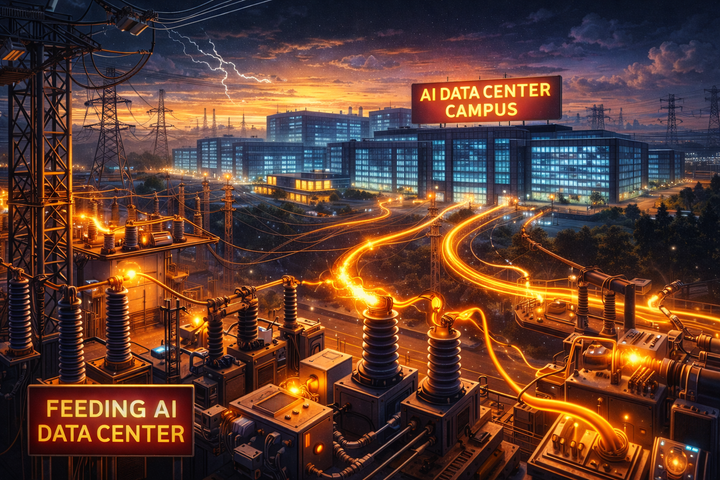
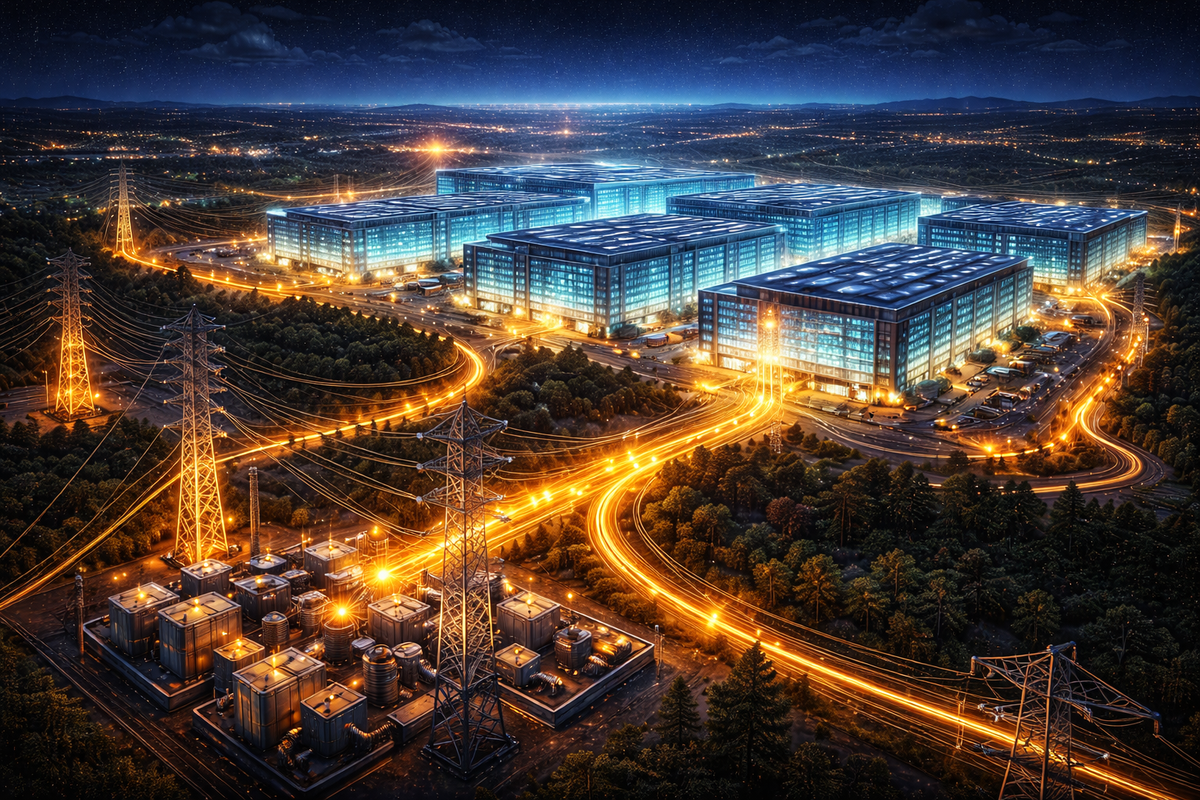
Across the past week, stories about grid capacity, energy sourcing, and infrastructure planning dominated the narrative. The AI economy may be built on compute, but it runs on electricity.
Below are the developments that mattered most this week.
1. Industry trends
Acquisitions, customer commitments, capital commitments
1) AI infrastructure investment continues to accelerate
Technology companies continue committing large amounts of capital toward infrastructure capable of supporting AI training and inference workloads. Spending forecasts across hyperscale platforms remain historically high.
What this means
The industry is transitioning from cloud infrastructure expansion to AI infrastructure expansion.
2) Infrastructure funds remain active buyers
Institutional investors including pension funds and infrastructure funds continue allocating capital toward data center platforms and digital infrastructure assets.
What this means
Digital infrastructure is increasingly viewed as a long duration asset class similar to energy and transportation infrastructure.
3) GPU cloud providers continue scaling capacity
Specialized compute providers focused on GPU clusters continue expanding infrastructure footprints and forming partnerships with hardware manufacturers and data center operators.
What this means
The AI ecosystem is becoming more diverse as new infrastructure providers emerge alongside hyperscalers.
4) Enterprises are increasing experimentation with AI workloads
Companies across sectors including finance, healthcare, and software are beginning to test AI models and inference workloads across cloud and hybrid infrastructure environments.
What this means
Enterprise AI adoption could become a major driver of future infrastructure demand.
5) Network infrastructure remains critical to AI scaling
Optical networking providers and fiber operators continue seeing strong demand as large AI clusters require high bandwidth connectivity between regions and facilities.
What this means
AI infrastructure is as much about network architecture as it is about compute power.
2. Future expansion
Land purchases, site selection, and build adjustments
1) Developers continue planning gigawatt scale campuses
Many of the largest infrastructure operators are designing campuses capable of scaling to hundreds of megawatts or even gigawatt levels of power capacity.
What this means
Data center development is increasingly happening at the campus level rather than individual facility level.
2) Power availability continues driving location decisions
Regions with strong transmission infrastructure and available power generation capacity are attracting the majority of new development interest.
What this means
The electric grid is becoming the most important factor in data center site selection.
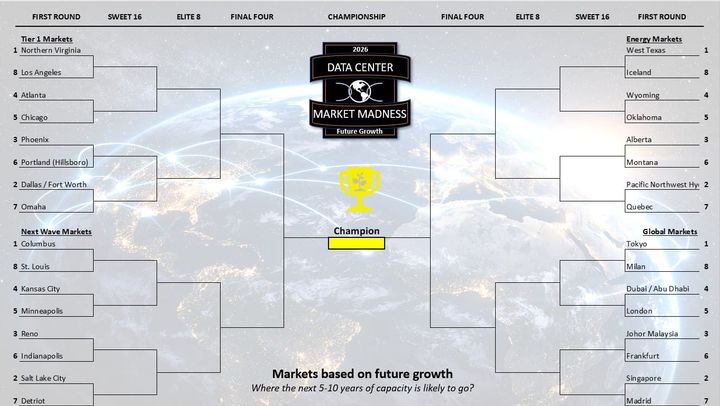
3) Secondary markets continue gaining traction
As traditional data center hubs face power constraints, developers are increasingly exploring emerging markets with available land and energy infrastructure.
What this means
The geographic distribution of data centers may become more diverse in the coming decade.
4) Industrial sites continue being repurposed
Former manufacturing facilities, energy sites, and industrial zones are increasingly being converted into data center campuses.
What this means
Many future data centers will be built on the foundations of previous industrial infrastructure.
5) AI workloads are forcing architectural redesign
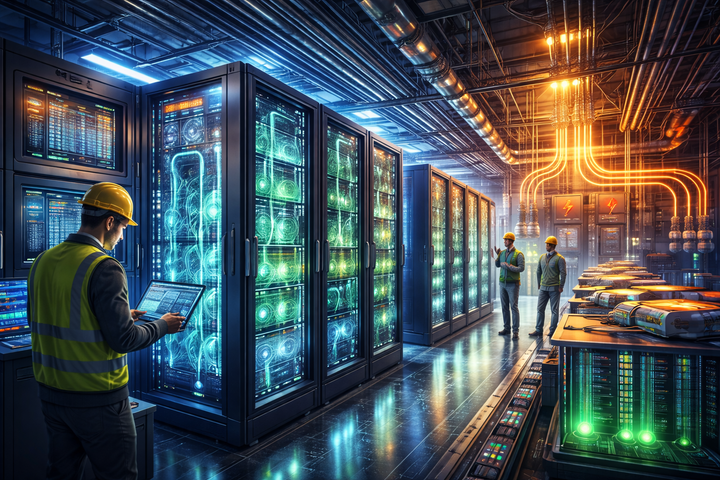
Facilities designed for traditional cloud workloads are increasingly being redesigned to accommodate higher power densities and liquid cooling systems required for GPU clusters.
What this means
The physical design of data centers is evolving rapidly.
3. Green energy and environmental builds
1) Renewable energy procurement continues expanding
Technology companies continue securing renewable energy contracts to support growing data center portfolios.
What this means
Renewable energy sourcing has become an integral part of data center development strategy.
2) Nuclear energy discussions continue gaining momentum
Interest in nuclear power as a reliable low carbon energy source continues increasing among large infrastructure operators.
What this means
The AI boom may accelerate investment in advanced nuclear technologies.
3) Cooling technologies continue evolving
Liquid cooling systems are increasingly being deployed to support high density AI workloads.
What this means
Thermal engineering is becoming one of the most important technical challenges in modern data center design.
4) Water usage concerns continue shaping projects
Large facilities require significant cooling capacity, raising concerns in regions with limited water resources.
What this means
Cooling strategies will increasingly influence infrastructure location decisions.
5) Energy efficiency continues driving innovation
Operators continue exploring ways to reduce energy consumption through improved facility design and infrastructure management.
What this means
Efficiency improvements could become a major competitive advantage.
4. Government policies that affect data centers
1) Energy regulators continue studying large load impacts
Grid operators and regulators are increasingly examining how large scale data center demand affects electricity markets and infrastructure planning.
What this means
Energy policy will play a growing role in shaping the future of digital infrastructure.
2) Incentive programs are facing renewed scrutiny
Some states and municipalities are reevaluating tax incentives used to attract large data center developments.
What this means
Public policy around digital infrastructure is evolving.
3) Permitting and zoning debates continue expanding
Local communities are increasingly involved in discussions around land use, environmental impact, and infrastructure strain.
What this means
Community engagement is becoming essential for major infrastructure projects.
4) Governments are recognizing data centers as strategic infrastructure
Some governments are beginning to treat data centers as critical infrastructure similar to transportation and energy systems.
What this means
Expect more national level strategies focused on digital infrastructure development.
5) Environmental transparency requirements continue growing
Regulators are requesting more reporting around energy consumption, water use, and environmental impact.
What this means
Transparency and accountability will increasingly shape industry operations.
Closing thought
The conversation around artificial intelligence often focuses on software, models, and algorithms.
But the reality is simpler.
AI is an infrastructure story.
Power plants.
Transmission lines.
Data centers.
Fiber networks.
Cooling systems.
Capital markets.
The companies that succeed in the AI economy will not simply be the ones building the smartest models.
They will be the ones capable of building the infrastructure that makes those models possible.
"The content is based on public information and personal analysis. This is not financial or investment advice."