Why Communities Are Torn Over Data Centers: The Buildings Behind the Internet

November 28, 2025
Most of us use the internet all day without thinking about where it actually lives.
So when a data center shows up on a zoning notice or on a stretch of open land outside town, it can feel like it came out of nowhere, a giant gray box that suddenly wants to be your new neighbor.
This article is written for people who don’t follow the industry. No jargon, no technical rabbit holes, just a clear look at why these buildings spark so much debate, why some communities protest them, and why others defend them for the tax revenue, jobs, and cleaner energy they bring.
What a Data Center Actually Is
At its simplest, a data center is:
- A big, secure building
- Filled with computers
- That store and run the apps, websites, and services you use every day
Your banking app, your smart TV, your online shopping, your kids’ homework portals, even AI tools; they’re all running on servers sitting in these buildings. Think of a data center as the “back office” of the internet. You never see it, but everything depends on it.
Why People Look at Them and Think: “I Don’t Want This Here.”
If you’ve ever seen one up close, you know they don’t exactly look charming:
- Huge warehouse-like buildings
- Tall security fences
- Few windows
- Lots of mechanical equipment
- Sometimes bright lighting
Even without knowing what a data center is, you can tell it’s something industrial. And that can trigger a whole set of worries; visual impact, noise, traffic, property values, the feeling of an area becoming “less like home and more like a business park.”
Here are the most common concerns:
1. The Noise: A Real Flashpoint in Northern Virginia
Modern data centers use a tremendous amount of electricity. When power goes out or during routine testing, they rely on backup diesel generators and large cooling systems.
Neighbors often report:
- A constant low mechanical hum
- Loud generator testing
- Diesel fumes drifting across properties
Northern Virginia, the largest data center market in the world, saw some of the strongest backlash. Residents near certain sites said they could hear the sound inside with their windows closed. Others worried generator noise and emissions would worsen air quality or reduce quality of life.
Not every data center causes noise issues, but the ones that do can shape public opinion very quickly.
2. The “Giant Box” Problem
Many people don’t mind technology, they mind how it looks.
Data centers can stretch the length of multiple football fields, replacing trees, farmland, or older small businesses. And because they’re mostly windowless, they can look cold and industrial. In some areas, people feel like their town is turning into a corridor of gray walls and power lines.
Around historic sites, especially near Manassas Battlefield in Virginia, this becomes even more emotional. Residents worry that the landscape and character of their community are being erased.
3. Fear of the Unknown: Power, Water, and Bills
Because people don’t know what happens inside these buildings, they ask natural questions:
- Will this raise our electric bills?
- Will we have enough power for homes and schools?
- How much water do these things use?
- Will this hurt property values?
When communities feel kept in the dark, skepticism grows fast.
Where It Boiled Over: The Northern Virginia Protests
Northern Virginia, especially Loudoun and Prince William counties, is the center of the global data center industry. This is where public opinion really split.
One of the most controversial projects was the Prince William Digital Gateway, a proposal to rezone more than 2,000 acres of mostly rural land for massive data center development. Residents protested at public meetings, held rallies, and organized opposition groups.
Their complaints weren’t just about the buildings:
- They felt blindsided
- They didn’t trust the environmental impact statements
- The locations were too close to homes and historic land
- They believed decisions were being made behind closed doors
It became a symbol of a deeper issue:
not that people hate data centers, but that they hate feeling unheard.
The Other Side: Tax Revenue, Jobs, and Local Benefits
If you ask local governments, especially in places like Loudoun County, the story flips.
Huge tax contributions
Data centers are incredibly valuable from a tax standpoint. The equipment inside them; servers, networking gear, mechanical systems; is assessed and taxed every year. In some counties:
- Data centers generate hundreds of millions of dollars annually
- They fund schools, roads, and public safety
- They help lower residential property tax rates
Loudoun County is the prime example. Data centers now make up roughly half of the county’s tax revenue, allowing it to keep one of the lowest property tax rates in Northern Virginia while still expanding public services.
Jobs: direct and indirect
While data centers don’t employ large numbers of full-time staff inside the buildings, they do create:
- Hundreds of construction jobs for each new facility
- Ongoing roles in security, operations, and maintenance
- Significant demand for electricians, HVAC technicians, fiber technicians, and local contractors
- Spillover business for restaurants, hotels, and transportation services
For regions trying to diversify their economy, especially rural or post-industrial areas, a data center campus can be one of the most stable long-term job engines available.
The Part Most People Don’t Know: Data Centers Are Driving Green Energy Growth
Here’s a side of the story that almost never makes it into the public debate:
Data centers are one of the biggest forces pushing the U.S. toward renewable energy.
It’s true that they use a tremendous amount of electricity. But because of that scale, data center operators have become some of the largest buyers of:
- Wind power
- Solar power
- Advanced nuclear (SMRs)
- Geothermal
- Battery storage
- Green hydrogen pilots
This isn’t PR spin, it’s economics.
They fund renewable projects that wouldn’t exist otherwise
Wind and solar farms are expensive to build. To get financing, developers need long-term customers. Data center builders step in and sign 10-, 15-, sometimes 20-year energy contracts, which:
- Guarantee revenue for renewable developers
- Help utilities justify grid upgrades
- Allow states to meet clean-energy targets
- Create rural land-lease income for farmers and landowners
That’s why regions with fast-growing data center clusters; Iowa, Oregon, Arizona, Virginia, Utah, Texas, have also seen some of the biggest growth in renewable energy capacity.
They’re testing new clean technologies at scale
To meet future AI-driven power demand, data center operators are exploring:
- Small modular nuclear reactors
- Long-duration energy storage
- Heat recycling
- Water-efficient cooling systems
- Off-grid renewable microgrids
These innovations tend to be too risky or expensive for most industries, but data centers can anchor and de-risk them, making it easier for others (schools, hospitals, factories) to adopt cleaner energy later.
For local communities, this can actually improve the grid
Even if the data center uses a lot of electricity, the region may end up with:
- More renewable energy
- Better grid stability
- Stronger transmission lines
- Faster retirement of older, dirtier power plants
It doesn’t erase concerns, but it does broaden the conversation:
these buildings don’t just consume power; they help shift the entire power mix in a cleaner direction.
So Why Is Public Opinion Still So Mixed?
Because people see and feel the local downsides, noise, views, traffic, land use, while the benefits are invisible or delayed.
A school renovation funded by data center tax revenue doesn’t have a sign saying “paid for by the big gray building on the bypass.”
A wind farm built 200 miles away doesn’t look like something the local community benefits from.
So the emotional math is simple:
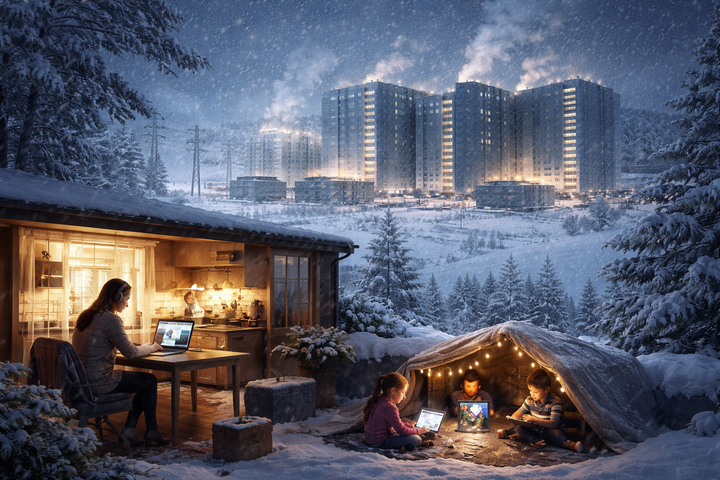
- The impacts feel local
- The benefits feel distant
That disconnect is the heart of the tension.
What a Better Community Conversation Could Look Like
If you strip everything down, most residents aren’t anti-technology. They’re saying:
“Tell us the truth, involve us early, and show us what we get in return.”
A healthier, more transparent process would include:
- Plain-language explanations of noise levels, generator testing, water use, and visual impact
- Clear numbers on tax revenue and where it goes
- Setbacks and design choices that reduce the “giant box” effect
- Noise and lighting rules written into zoning approvals
- Honest trade-offs about power demand, land use, and grid upgrades
- Direct, open Q&A with residents, before decisions are made
Communities don’t want to feel like decisions are happening to them. They want to feel like they’re part of the decision.
Bringing It Back to Everyday Life
If a data center were proposed near your home, it would be normal to feel conflicted.
You might worry about:
- Losing your view
- Noise
- Traffic
- Property values
- What this means for your town’s identity
But you might also appreciate:
- Lower taxes
- Better-funded schools
- More jobs
- Improved energy infrastructure
- Cleaner power coming into your region
Public opinion lives right between those two realities.
As data centers continue to grow, especially with AI driving even more demand, the challenge is whether communities, local leaders, and developers can move from surprise and protest to clear trade-offs and shared decision-making.
If that happens, the conversation becomes less about fear and frustration and more about a fair question:
“Given what we give up and what we gain, is this the kind of neighbor we want and if so, under what conditions?”
Dealing with the challenges of data centers isn't easy, and it's obvious that we need to change how we discuss them. As communities start to feel the real effects of these large structures, it’s vital to keep the conversation going. If we focus on being open and truly involving everyone, residents and developers can find a middle ground that addresses worries while still recognizing the benefits. This kind of collaboration could change how we live alongside technology, making sure local perspectives are included in decisions that impact their lives. In the end, it’s all about building a common vision for the future, one that weighs both the downsides and the advantages of having a data center close by.
“Content is based on public information and personal analysis. Not financial or investment advice.”