Data Center Intelligence — Weekly Roundup (Nov 3-9)

November 12, 2025
Lately, the data center industry has been going through some big changes, thanks to tech improvements and rising demand. Companies aren’t just growing in size; they’re also piling in a lot of money to boost their setups. This is creating a lively scene where investments in data centers are at record levels, showing a clear effort to keep up with our digital-first world. As businesses adapt to all these shifts, it’s really important to get a grip on what these trends mean, not just in terms of financial investment but also in relation to environmental responsibilities. Let’s take a closer look at the current industry landscape, including key trends, future growth plans, sustainability initiatives, and the government policies that are influencing the future of data centers.
1. Industry Trends (Acquisitions, Customer / Capital Commitments)
- CBRE just picked up Pearce Services, a California-based firm that supports data centers, for about $1.2 billion (plus some potential bonuses). This move is aimed at enhancing their data center power and digital infrastructure services. CoStar+1
- Anthropic, an AI developer, has announced a whopping $50 billion commitment for building data centers across the U.S. (in partnership with Fluidstack) to support AI workloads in places like Texas and New York. AI News+1
- La Rosa Holdings has managed to secure $1.25 billion in funding to shift towards AI-optimized data center infrastructure. This includes an equity purchase facility and a convertible note to back builds, acquisitions, and joint ventures. Stock Titan+1
- On another note, industry experts warn that U.S. data center electricity demand could more than double in the next five years, which adds urgency to these investments. Utility Dive+1
Takeaway: The size of these commitments is staggering. The billion-dollar transactions show that there’s a huge demand driven by hyperscale and AI. If you're involved in FP&A or strategy, it's crucial to factor in risks related to power, cooling, and real estate.
2. Future Expansion (Land / Build Adjustments)
- In Michigan, there’s some tension in what used to be a quiet farming area, as data centers are looking to set up shop. Utilities are concerned that this could increase peak demand by around 25% from current levels, which means significant investments are needed in the grid and power plants (like poles and substations). Bridge Michigan+1
- Meta has committed over $1 billion to establish a new AI data center in Wisconsin, which also involves restoring 570 acres of wetland/prairie and investing about $200 million in regional energy infrastructure. ESG News
Takeaway: The land and infrastructure components of data centers are becoming important. Acquiring large tracts of land, upgrading the grid, and fulfilling ecosystem obligations are now critical. When developing your strategies, make sure to consider site preparation, utility connections, and community relations as potential risks or leverage points.
3. Green Energy / Environmental Builds
- According to IEA projections, electricity consumption by U.S. data centers could nearly double in the next five years. At the same time, water use from cooling these centers might reach half of the UK's annual consumption by 2027. Utility Dive+1
- In Michigan, regulators are raising alarms that rapid data center growth might conflict with the goal of achieving 100% clean energy by 2040 if new gas plants pop up just to supply these data centers. Planet Detroit+1
Takeaway: Sustainability has moved from being a nice idea to a necessity. Your projects (or consulting efforts) need to take into account the mix of power sources, cooling water demand, emissions, and the regulatory risks associated with environmental impacts.
4. Government Policies That Affect Data Centres
- A new bill in Wisconsin is proposing that tax exemptions for data centers be tied to 70% renewable electricity usage and specific labor standards during construction. WPR+1
- In Michigan, regulators are now examining how utility demands from new data centers interact with clean energy mandates and constraints related to land and water usage. Bridge Michigan
Takeaway: Subsidies and tax breaks are increasingly dependent on sustainability and labor criteria. If your work is in strategy or FP&A, you need to model for policy risks and how “green standards” might affect tax-exempt status.
Final Thoughts
Here are some key points:
- The magnitude of these investments (in the tens of billions) indicates this is more than just incremental growth; it’s a strategic scale-up.
- The infrastructure aspect (land, power grids, utility connections, cooling) is now catching up to the hype and where both risk and opportunities lie.
- The sustainability and policy factors are now crucial, deals are often contingent on renewable energy use, water/land impact, and labor standards.
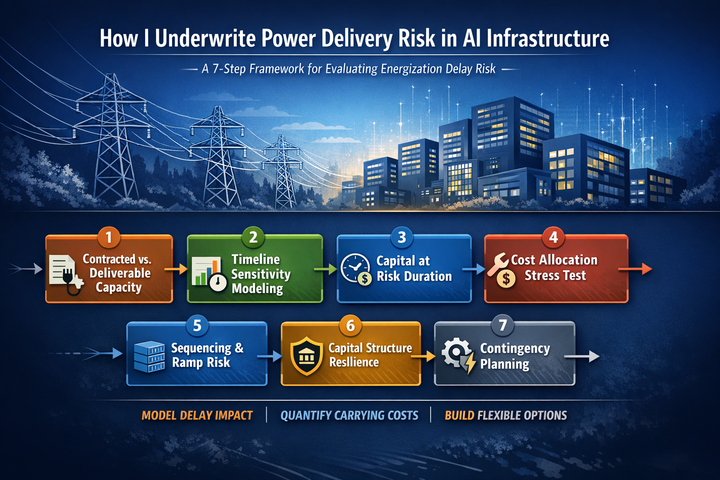
- When it comes to financial modeling, make sure to include stress-testing for various scenarios like power price spikes, utility delays, regulatory changes, land acquisition costs, and potential community/ESG pushback.
“Content is based on public information and personal analysis. Not financial or investment advice.”